Do you have an energy-efficient new home project? Would you like to know more about our services and expertise in building eco-friendly homes? Contact us to schedule a meeting!
Navigating the Construction of LEED-Certified Ecological Homes
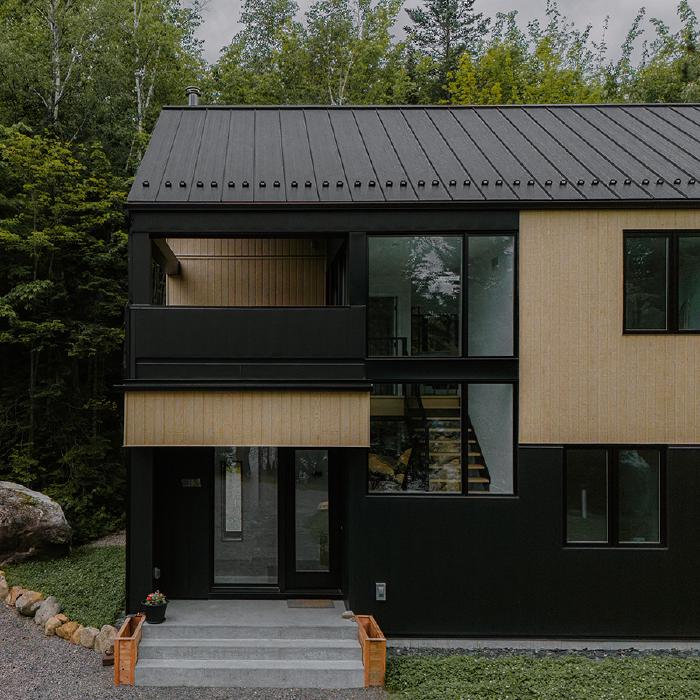
It’s a fact: the environmental aspect is now a dominant criterion in the equation of building a new home. Are you thinking of building a LEED-certified home? It is important to work with a contractor who understands the rigorous requirements of this certification and who has the necessary expertise to carry out this type of project successfully.
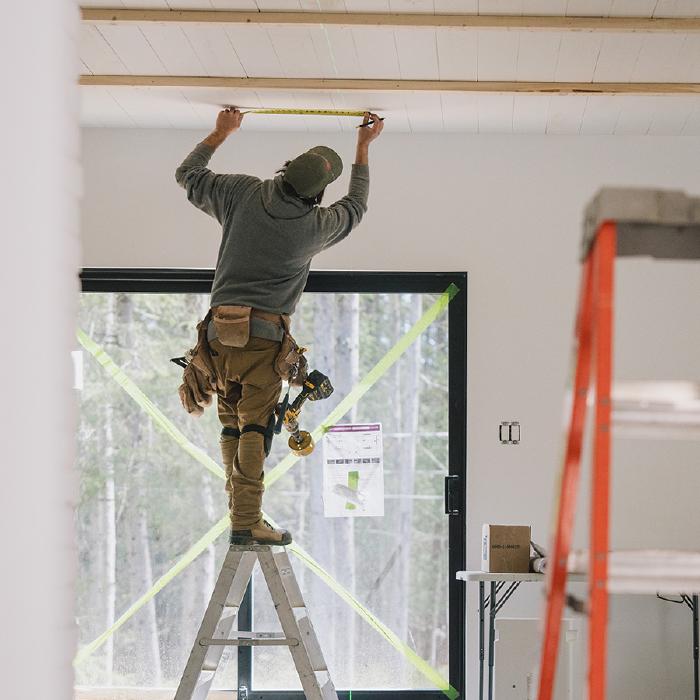
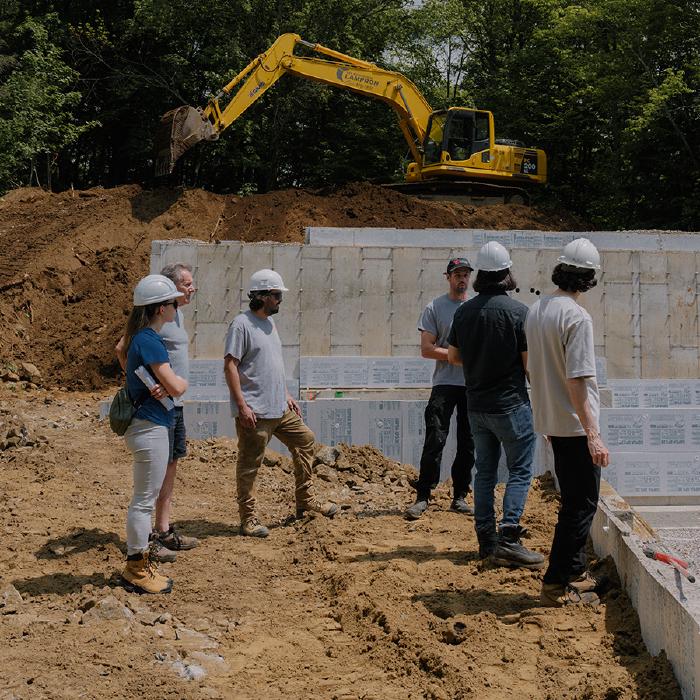
The success of a LEED home relies on close collaboration between all stakeholders. That’s why we work with the client, the architect, and the various trades right from the planning phase. Together, we define a meticulous strategy that ensures every aspect of the construction meets the highest LEED standards. We are proud to use sustainable and eco-friendly materials throughout the construction process. We also implement advanced building techniques that minimize your home’s environmental impact.
The Advantages of LEED Certification
LEED (Leadership in Energy and Environmental Design) certified homes are distinguished by their advanced design, which provides significant benefits to homeowners and the environment.
Increased energy efficiency: Superior insulation, high-performance windows, and optimized heating, ventilation, and air conditioning systems.
Air quality: Materials with low emissions of volatile organic compounds (VOCs) and adequate ventilation, ensuring a healthy environment conducive to the well-being of the occupants.
Reduced ecological footprint: Use of sustainable and local materials, effective management of construction waste, and integration of energy-efficient solutions.
A Reflection Worth Its 'Cost'
Even before exploring materials, avenues, and solutions, we ask you questions! What location interests you? Are your work and/or activities located nearby? Have you considered the orientation of the land? Have you defined the minimum square footage that suits your reality? Have you thought about a solution for water management? These are all questions that can have a major impact on your energy consumption!
Our approach, centered on analyzing and understanding your needs, your reality, and your daily life, sometimes leads to highly interesting alternative ideas. That’s why we take the time to sit down with you and take the reflection to another level. A single initial meeting is all it takes to establish the foundation of your project.
A Few Avenues to Explore
The Land
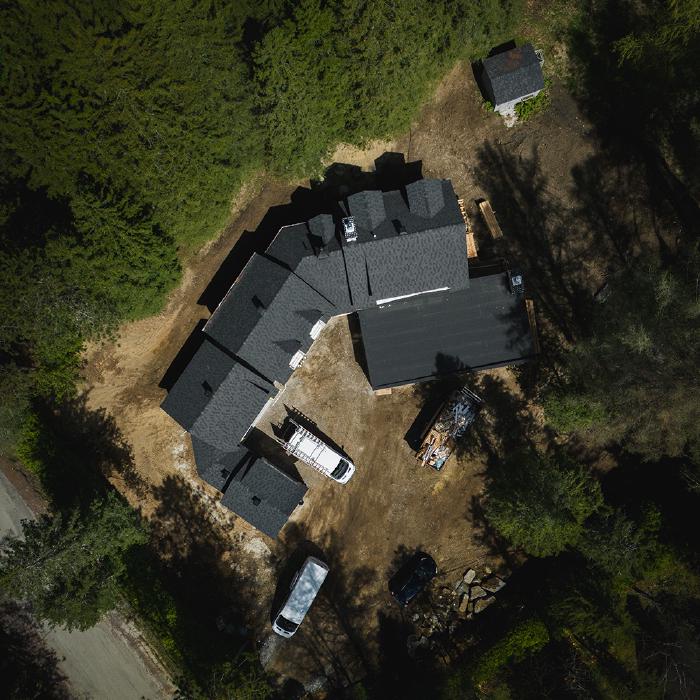
The choice of land and the methods used to harness it are at the very foundation of an eco-responsible construction project. First of all, if the land isn’t located near your daily activities, the word “ecological” loses some of its meaning. Then, to move toward a passive-type home design (one that makes the most of its environment and its location), the project must consider numerous criteria such as sunlight, prevailing winds, soil, and water runoff. Reusing topsoil (the most fertile top layer containing all the rich nutrients that contribute to plant growth) is another concrete example of an element to consider during planning.
The Size and Design of the House
Sarrazin Construction has specialized in custom home building for over 20 years. We are therefore the ideal collaborator to guide you through the ideation of your ecological home. Designing the house according to its orientation, planning for potential evolution (will you welcome new members to your family or will the children empty the nest shortly?), finding the strategic combination of insulation + passive solar + flooring choices (radiant, hydronic, electric), etc. We explore all avenues with you to maximize the energy efficiency of your custom home.
Scale Factors
Looking at reducing energy consumption, three major factors must be taken into account: insulation, heating, and air conditioning (which represents 50% of our daily consumption). For insulation, several alternative materials are available. It’s important to be thoroughly informed about their origins and the treatments applied to them (against fungi, insects, or fires) in order to make an informed decision.
Solar energy and geothermal energy can also act as two pillars of an ecological home project. These are, however, more substantial investments. It therefore proves crucial to integrate them at the very beginning of the project to adapt your budget accordingly.
Furnishings
Beyond construction, your choices regarding furnishings and appliances should not be neglected! Opt for wooden furniture from certified forests, ideally made by local artisans. Choose Energy Star appliances. And above all, think carefully about your needs in terms of storage, organic design, and space during the conception of your home. This could greatly minimize the overconsumption of furniture and decor.
Tell us about your ecological home project!
Do you have an energy-efficient new home project? Would you like to know more about our services and expertise in building eco-friendly homes? Contact us to schedule a meeting!